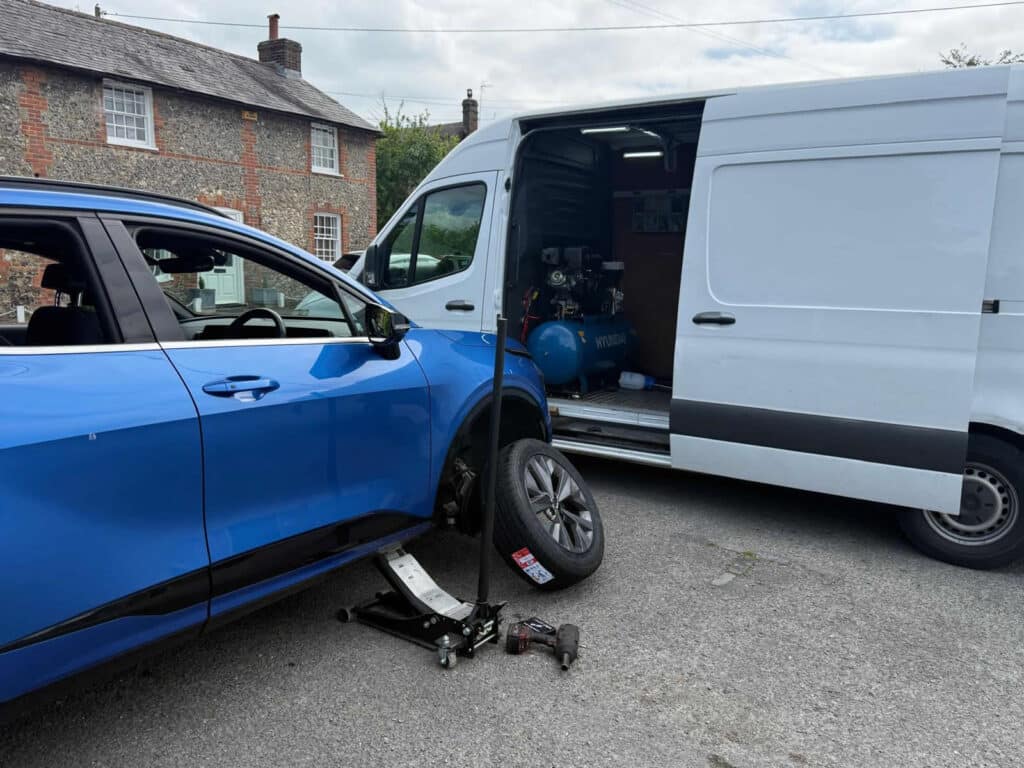
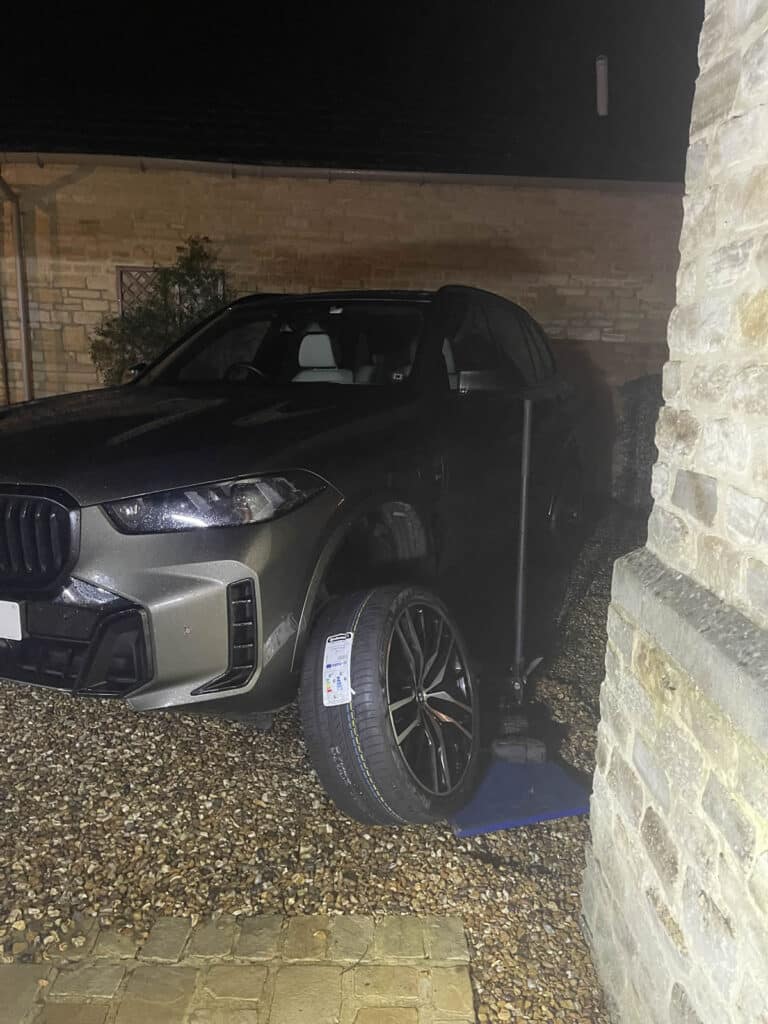
If you’ve ever browsed tyre options, you’ve probably noticed some labelled as reinforced or marked with abbreviations like XL, RF, or RFD. At first glance, they don’t look much different from standard tyres. But once you understand what they’re built for and why they matter, you’ll realise reinforced tyres can make a huge difference to how safe, durable, and reliable your car feels on the road. Whether you drive a family car packed with luggage, a van used for work, or a heavy SUV, knowing what reinforced tyres are will help you decide if they’re the right choice for you.
What exactly does ‘reinforced tyre’ mean?
A reinforced tyre is a tyre with a stronger internal structure designed to carry heavier loads than a regular tyre of the same size. The key difference lies in the sidewalls and the materials used in the carcass. Reinforced tyres have extra layers of rubber, stronger cords, or thicker plies that allow them to cope with more weight without bulging or overheating.
They’re sometimes referred to as extra load tyres because they’re literally built to support more pressure. While a standard tyre might operate safely at 2.4 bar, a reinforced tyre can hold pressures up to 2.9 or 3.0 bar, depending on the design. That higher pressure gives the tyre the ability to carry heavier loads safely while maintaining stability.
How can you tell if a tyre is reinforced?
If you’re checking the sidewall of a tyre, you’ll usually see markings like XL (Extra Load), RF (Reinforced), or RFD (Reinforced Design). These letters confirm that the tyre is built to carry more weight than the standard version. You’ll also see a higher tyre load index number compared to a non-reinforced tyre of the same size.
For example, a normal 205/55 R16 tyre might have a load index of 91, while the reinforced version has 94 or 95. That number translates into kilograms of weight the tyre can carry safely. Even though the difference seems small, it adds up quickly when you consider four tyres supporting the full weight of your car, passengers, fuel, and cargo.
Why were reinforced tyres developed in the first place?
The need for reinforced tyres grew with the rise of heavier vehicles. SUVs, vans, and larger saloons weigh significantly more than smaller hatchbacks, and when you add passengers, shopping, work tools, or holiday luggage, the load on each tyre increases. Standard tyres weren’t always up to the job, so tyre manufacturers developed reinforced versions to cope with these higher demands.
Reinforced tyres are now common on many new vehicles because car makers want to ensure safety, durability, and handling under all conditions. For example, many modern electric cars come with reinforced tyres as standard, because the weight of the battery packs is far greater than the weight of an engine in a petrol or diesel car.
Are reinforced tyres safer than standard tyres?
This is one of the biggest questions drivers ask. The simple answer is yes – but only when they’re needed. If your car is designed for reinforced tyres or you often carry heavy loads, then reinforced tyres add an extra margin of safety.
The stronger construction means the tyre can cope with higher pressure, so it won’t deform as easily under stress. That helps keep more of the tread in contact with the road, improving grip and reducing the risk of blowouts. Overheating is also less likely, which is important if you drive long distances at motorway speeds with a heavy vehicle.
But if your car doesn’t require reinforced tyres, you won’t necessarily be safer just by fitting them. The key is to match the tyre type to your vehicle’s requirements.
What are the benefits of reinforced tyres?
There are a few clear benefits to using reinforced tyres:
- Higher load capacity – Perfect for heavier vehicles, or if you carry passengers and cargo regularly.
- Greater durability – Stronger sidewalls help resist punctures, cuts, and kerb damage.
- Improved stability – Less flex in the tyre means more precise steering, especially under load.
- Better for long journeys – Reduced risk of overheating when driving at speed for extended periods.
If you use your car for family holidays, long commutes, or work that involves carrying equipment, these benefits can make a real difference in how your car feels and how confident you feel behind the wheel.
Do reinforced tyres affect comfort?
The trade-off with reinforced tyres is ride comfort. Because the sidewalls are stiffer, they don’t absorb bumps as well as standard tyres. That can make the ride feel firmer, especially on uneven or poorly surfaced roads.
Some drivers like the added firmness because it gives the car a more planted feel, while others notice the reduced cushioning more. It depends a lot on your driving style, the roads you use, and what you expect from your car.
Are reinforced tyres more expensive?
Yes, reinforced tyres tend to cost more than their standard counterparts. The extra materials and stronger construction push the price up. However, you need to weigh this against the benefits. A reinforced tyre will often last longer under heavy use, and the reduced risk of damage or blowouts can save you money in the long run.
Think of it as paying a little more upfront for peace of mind and durability, especially if you drive a vehicle that puts extra stress on its tyres.
Do reinforced tyres wear faster?
Not necessarily. In fact, because they’re designed to handle higher loads, reinforced tyres can sometimes last longer than standard tyres when fitted to the right vehicle. The stronger construction means they resist deformation, which can reduce uneven wear.
That said, if you fit reinforced tyres to a light car that doesn’t need them, they may wear differently because they’re not operating under the load they were designed for. This is another reason to stick to what your vehicle manufacturer recommends.
Do reinforced tyres use more fuel?
This is an area where opinions differ. Reinforced tyres are heavier, and the stiffer construction can increase rolling resistance. That might mean a small drop in fuel efficiency compared to lighter, standard tyres.
But with modern tyre technology, the difference is often minimal. If your car actually needs reinforced tyres, the safety and performance benefits outweigh the slight fuel economy impact. Driving with the correct tyre pressure will also help keep fuel use as low as possible.
Who should use reinforced tyres?
Reinforced tyres are the right choice if:
- You drive an SUV, van, or larger saloon.
- You own an electric car with heavy battery packs.
- You regularly carry passengers, luggage, or work equipment.
- Your vehicle manufacturer specifies reinforced tyres in the handbook.
If you drive a small city car, don’t carry heavy loads, and your manufacturer doesn’t require reinforced tyres, then standard tyres are usually the better option.
How do you know if your car needs reinforced tyres?
The best way is to check your vehicle handbook or the information label (often found inside the fuel cap or driver’s door). If it specifies XL, RF, or reinforced tyres, then you should always stick to that recommendation.
You can also ask a tyre specialist, who can check the load index requirements for your car. Fitting the wrong type of tyre may affect not just performance but also insurance, since insurers expect you to use tyres that meet the manufacturer’s requirements.
Are reinforced tyres good for everyday driving?
Yes, if your car is designed for them. They offer stability, strength, and safety without any major drawbacks apart from slightly firmer ride comfort. For many modern vehicles, especially heavier ones, reinforced tyres are the standard fit and work perfectly well for everyday driving.
Do reinforced tyres reduce the risk of blowouts?
They can. Because they handle higher pressures and heavier loads without deforming, reinforced tyres are less likely to overheat and fail under stress. Blowouts are often caused by tyres running under too much load or with incorrect pressure, so having that extra capacity reduces the risk.
That doesn’t mean you can neglect tyre care, though. Reinforced tyres still need regular pressure checks, alignment, and rotation to stay in top condition.
Final thoughts: are reinforced tyres worth it?
Reinforced tyres aren’t just a marketing label – they’re a genuine solution for heavier cars, loaded vehicles, and demanding conditions. They provide the strength and durability needed to keep you safe when your tyres are under more pressure than usual.
If your car needs them, there’s no question: reinforced tyres are worth the investment. They’ll give you peace of mind, better stability, and a safer drive. If your car doesn’t require them, you’re better off saving your money and sticking with standard tyres, as reinforced versions won’t give you much benefit.
Either way, the most important thing is to match the tyre to the vehicle and how you use it. When you do that, you’ll find that your tyres – whether reinforced or not – will keep you safe, reliable, and confident on every journey.