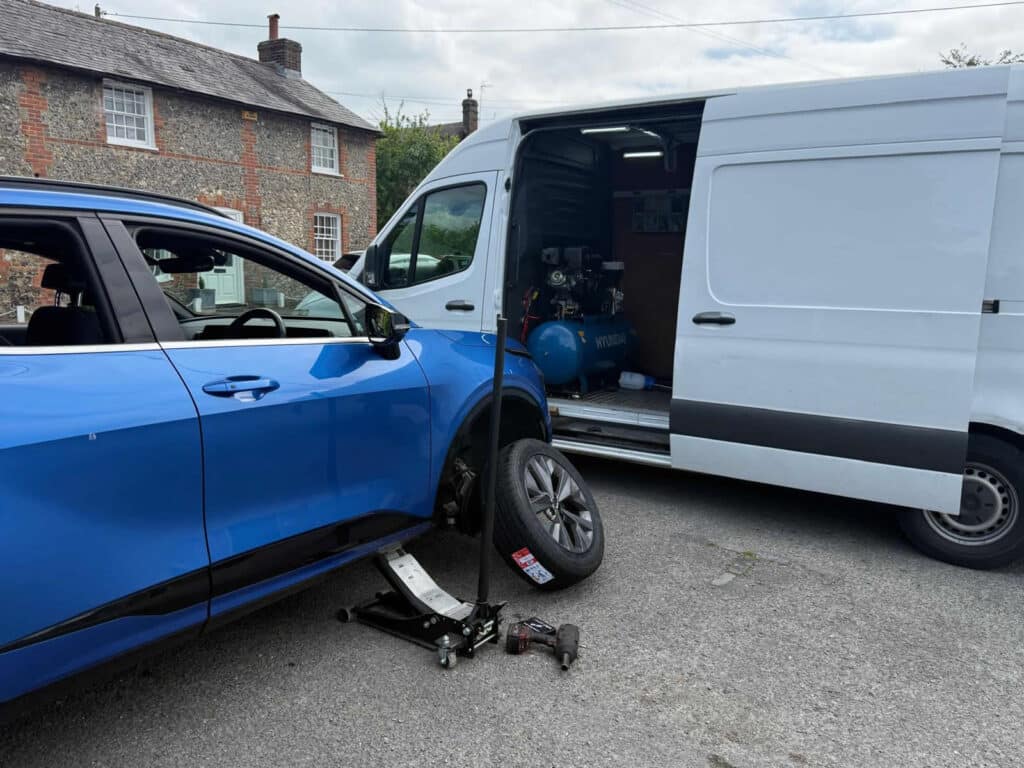
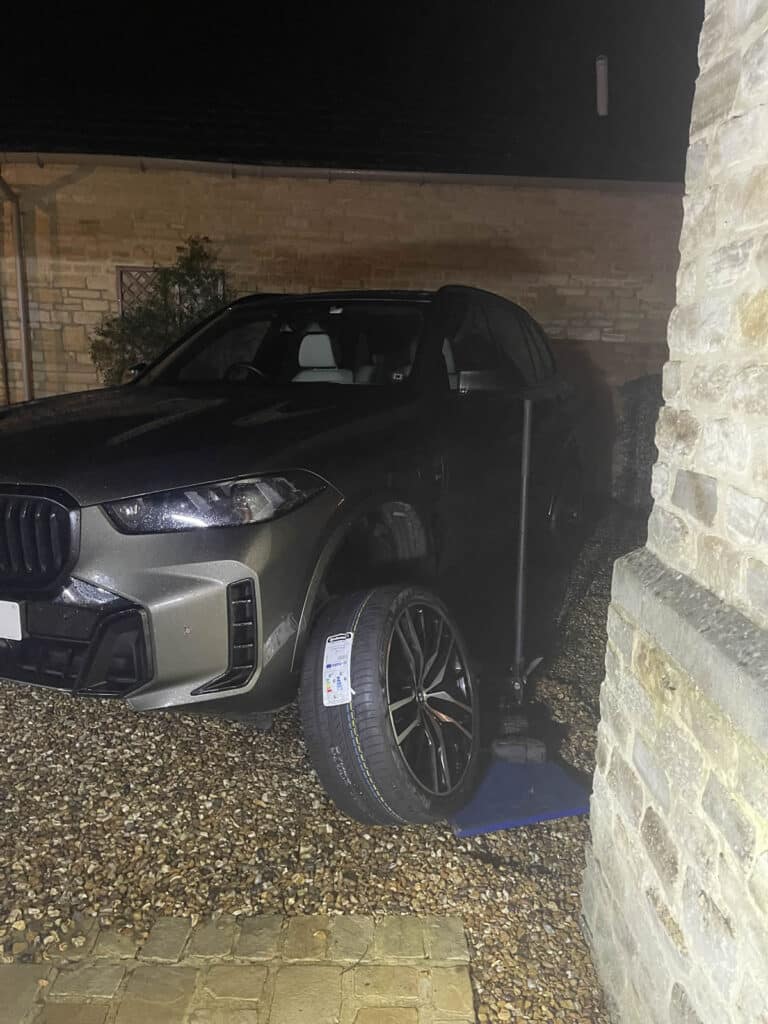
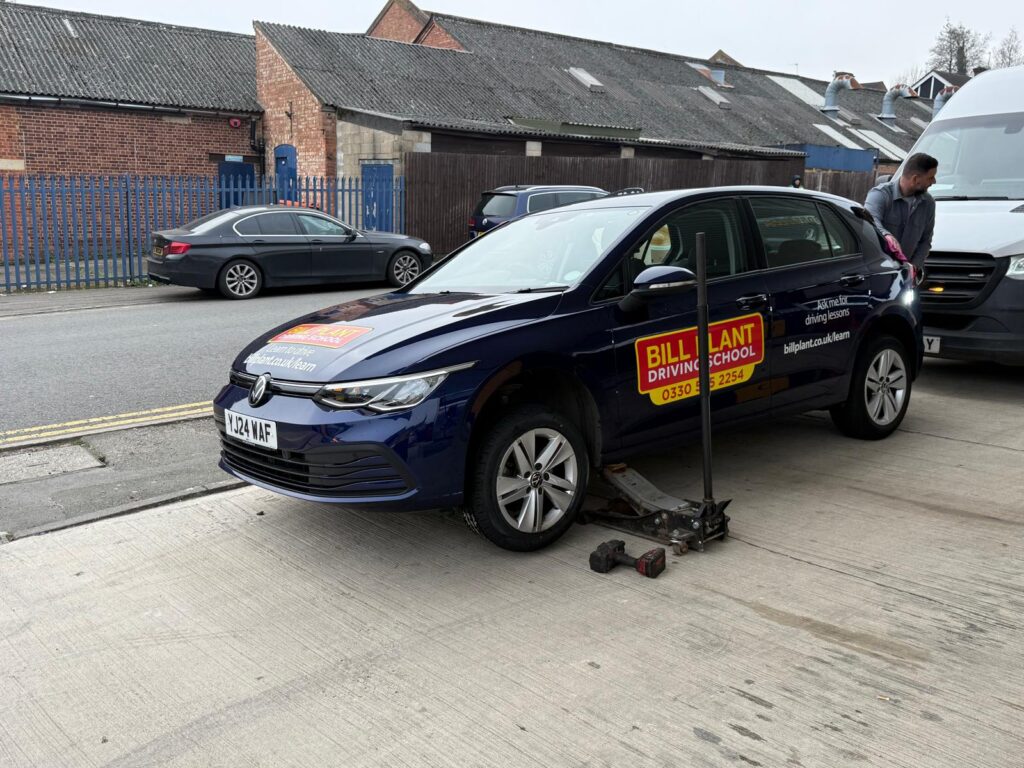
Tyres carry every kilogram of your car and everyone who rides with you. They decide how quickly you stop, how firmly you cling to a wet corner, and how calmly the steering wheel feeds feedback to your hands. When just one tyre ages faster than its partner, the delicate balance between left and right falters. Replacing only the worst tyre feels logical at the checkout, yet the single change can leave the axle unstable and the whole car unpredictable.
Most professional fitters will tell you to change both tyres on the same axle at the same time. That advice is not a sales pitch; it is a quick route to grip you can trust. In this long‑form guide you will see why axle pairs matter, how they affect real‑world driving, and what steps you can take to squeeze every mile from a fresh set.
What exactly does “pairs” mean in tyre talk?
A typical passenger car runs on two axles: one up front, one at the rear. Each axle wants its left and right tyres to act like twins. They should share tread depth, compound, internal construction, and load rating. When the two tyres match, the axle behaves like a single unit. Braking force spreads evenly, steering inputs convert directly to direction change, and the suspension soaks up bumps symmetrically.
Once the pair loses that likeness—perhaps because one tyre is six months newer or a different brand—the axle starts to split into two personalities. One side grips earlier, the other side lets go sooner. The difference might seem small on a warm summer road, yet it grows the moment water, snow, or gravel sit between the rubber and the tarmac.
Think of tyres the same way you think of shoes. Walking in trainers that share size, sole thickness, and cushioning feels natural. Swapping one shoe for a thin‑soled dress shoe throws off your stride immediately. The same principle applies to tyres, only the consequences arrive at motorway speed.
Why do small tread differences grow into handling problems?
Tread depth is the visible measure of a tyre’s health. The deeper the groove, the faster the tyre pumps water away and the longer it keeps full contact with the road. A gap as little as 1.5 mm between the tyres on an axle sets the shallower tyre up to aquaplane first. When that tyre starts to surf, the partner keeps gripping. Suddenly the forces that were split evenly shift to the side with more tread. The car yaws; you feel a tug; stopping distance stretches.
The chemistry hidden in the rubber compound exaggerates the split. Modern premium tyres carry high‑silica blends that stay flexible in the cold and cling to wet asphalt. Budget tyres often harden when temperatures drop, losing elasticity at the very moment flexibility matters. If one side of the axle fits a supple compound and the other side sticks with older, harder rubber, the softer tyre bites under load while the harder tyre skates.
That imbalance does more than lengthen braking. It tweaks the slip angle—the microscopic sideways slide each tyre experiences before grip breaks completely. A matched pair reaches its maximum slip angle together. A mismatched pair reaches two different slip angles, so the axle twists. The steering wheel no longer feels centred; the chassis leans irregularly; ESP sensors work overtime.
Everyday clues that your tyres are no longer equal
You do not need a track day to spot mismatched behaviour. Ordinary commutes reveal subtle clues:
- Pull under braking: Press the pedal firmly at 30 mph on a level road. If the wheel tugs left or right for a moment, one tyre grips harder than the other.
- Steering shimmy in bends: Drive through a long roundabout. A steering wheel that vibrates or needs tiny corrections often signals uneven tread or compound.
- Uneven wear patches: Run your palm lightly across each tyre. Feathering, scalloping, or smooth patches on one side only point to imbalance.
- Drift on standing water: Hit a puddle with both wheels of an axle. If the car steps sideways rather than slows in a straight line, tread depths differ.
Spot one of these signs and a tread‑depth gauge will confirm whether you are looking at a growing mismatch.
Why wet weather is the tipping point
Dry tarmac offers grip in abundance. Even a worn tyre can bite into microscopic asphalt texture. Add rain and the whole equation tilts. Water forms a thin film the tyre must squeeze through grooved channels. A new tyre launches water from its shoulders efficiently thanks to deep, wide escape paths. A worn tyre’s shallow grooves choke immediately.
When one tyre on the axle loses the fight against hydroplaning, the other is left to steer, brake, and stabilise on its own. In practical terms that means:
- Longer braking – The full weight of the axle moves through one patch of rubber, doubling the load on that side and skimming metres off braking efficiency.
- Sudden yaw – A wet corner at 40 mph feels safe until the shallow tyre keels over the water layer. The pair breaks grip asynchronously, pivoting the car into understeer or oversteer.
- ESP intrusion – Vehicle stability software senses rotational disparity and cuts power, which surprises drivers who expect linear throttle response.
UK weather compounds the issue. Rapid shifts from drizzle to hard rain leave standing puddles on cambered roads. The moment one side meets water and the other runs dry asphalt, your safety margin depends on symmetry.
Should the new pair sit on the front or the rear?
Many drivers assume the fresh rubber belongs on the steering axle—usually the front. It seems logical: steering precision is critical and the front wheels carry most braking weight. Yet the physics of a corner argue for fitting the newer tyres on the rear.
During a fast or slippery bend, rear‑end grip prevents the car from swinging out. When that rear contact patch holds, you enjoy mild, predictable understeer that straightens once you lift the throttle. If the rear tyres lose grip first, you enter oversteer, where the back rotates quicker than the front. Correcting mid‑corner oversteer on public roads is difficult; if the car rotates too far, momentum takes over.
Putting the deeper‑tread pair on the rear reduces that risk. Even front‑wheel‑drive hatches feel calmer when the rear’s contact patch equals or exceeds the front’s. The car tracks faithfully, and steering inputs remain proportional under duress. Every major tyre maker echoes this advice—including the reference guide from Kwik Fit—even if it means moving almost‑new fronts to the back and mounting the fresh pair on the rear.
How tyre brand mixing complicates grip
Compound chemistry, tread‑block stiffness, groove position, and sidewall reinforcement differ sharply between brands. Even tyres built to identical EU label grades can diverge in real‑life feel. Imagine fitting a soft‑compound, micro‑sipe‑laden winter tyre on one side and a summer touring tyre on the other. Their temperature windows overlap only on mild autumn days; stray above or below that range and one tyre changes hardness faster.
When brands mix, expect:
- Uneven road noise that masks early warning squeal
- Disparate rolling resistance affecting fuel consumption
- Conflicting sidewall flex that unsettles the suspension as it compresses
Sticking with the same make and model across each axle avoids those variables. If budget pushes you towards a cheaper pair, fit both budget tyres together—never one cheap and one premium.
Part‑worn tyres: short‑term saving, long‑term gamble
A part‑worn tyre can look sound: legal tread, no bulges, a neat plug repair. Yet its unseen story may include kerb impacts, motorway pothole hits, or years cooked on a sun‑facing caravan side. Rubber ages from ultraviolet light, heat cycles, and ozone exposure. Internal belts corrode once moisture sneaks through micro‑cracks.
Fit a part‑worn next to an existing tyre and you inherit all that history. Possible outcomes include:
- Rapid shoulder wear if internal belts shifted
- Sidewall blisters as old rubber flexes repeatedly under fresh load
- Patchy road feedback caused by hardened tread blocks that refuse to micro‑deform for grip
When part‑worn is your only option, insist on a matched pair from the same batch—then budget to swap again sooner.
Legal landscape: how mismatched tyres threaten MOT success
MOT testers focus on tread depth, sidewall condition, and tyre type. While differing brands or patterns on the same axle do not automatically fail, they draw advisory notes. Uneven wear, exposed cord, or suspicious repairs can trigger a fail and force you to replace both tyres anyway. Driving to the retest wastes time and money.
Insurance assessors pay similar attention after a collision. If evidence suggests mismatched tyres reduced control, claims can stall. Replacing a pair before the tread depth diverges keeps inspections straightforward.
Money matters: where the extra tyre pays you back
Opponents of pairing argue the upfront spend doubles. Yet life cycle maths tells a wider story. Matched tyres wear at the same pace, so you book one fitting session, one alignment, one balance. When single replacements alternate left and right you visit the fitter twice, pay alignment again, and accept lopsided wear that shortens both tyres’ lifespan.
Even fuel efficiency feels the effect. A balanced axle rolls with less micro‑slip, lowering rolling resistance. Tyre labelling shows fuel grades vary up to 7 % between models. Two grades down on a single tyre drags the entire axle. Spread across 12,000 miles a year, that extra friction equates to dozens of litres.
Then consider hidden savings:
- Suspension longevity – Equal grip eases stress on control‑arm bushes.
- Brake component wear – Even friction means discs and pads see matched temperatures, reducing warping.
- Accident avoidance – A pair with deeper tread reduces near‑miss risk, which protects no‑claims bonuses.
Related question: will pairing help with aquaplaning?
Absolutely. Equal tread depth flushes water beneath both tyres at the same speed. The contact patch shrinks evenly instead of tilting to one side.
Directional stability stays intact long enough for you to ease throttle and steer calmly. In contrast, mixed depths lift one tyre sooner, flicking the axle sideways before the driver reacts.
Related question: does tyre pressure still matter after pairing?
Tyre pressure sets footprint shape. Under‑inflation lets the shoulders sag, pulling rubber away from the central tread. Over‑inflation crowns the middle, reducing the groove’s ability to carry away water.
An immaculately matched pair delivers nothing if you run one tyre 6 psi below spec. Set pressures cold—ideally before the morning commute—and check monthly. A TPMS light means stop and correct, not wait until the next service.
Related question: do electric vehicles change the rule?
Electric cars weigh more and deliver instant torque at zero revs. That load rips thousands of tiny chunks from the tread each time you launch away from lights. Pairing tyres on an EV keeps wear patterns uniform, extending the short life EV tyres already endure.
Cabin quietness also means you hear uneven tyre roar long before petrol‑car drivers would, making mismatching even more obvious.
How to check if your tyres need pairing
Break out a tread‑depth gauge and follow four quick checks:
- Measure across the width: Outer, centre, and inner grooves on both tyres. Write numbers down.
- Compare side by side: If the deeper tyre beats the shallower by more than 1 mm, plan a pair change.
- Inspect sidewalls: Look for fine cracks, bulges, or discolouration—signs of age not always shown in tread depth.
- Check date codes: DOT markings reveal production week and year. Tyres over six years old harden even if tread looks fresh.
Run through these steps at every oil service and before long trips.
Choosing the best pair for your needs
- Match size and speed rating printed on the sidewall to your owner’s manual.
- Pick tread pattern aimed at typical weather. In the UK, asymmetric or directional all‑season designs strike a strong balance.
- Look at independent tests from magazines that publish wet‑braking data instead of relying solely on EU grades.
- Calculate cost per 1,000 miles using rated mileage to compare budget and premium honestly.
Ask the fitter to confirm the tyres are less than six months old. Fresh stock stores better and grips sooner.
Installing the new pair: what to watch at the workshop
Arrive when the tyres are cold. Request:
- Dynamic wheel balance: spinning balances under load correct high‑speed vibration.
- Four‑wheel alignment: especially if you noticed uneven wear before replacement.
- Re‑torqued wheel nuts: after 50 miles, re‑check torque with a quality wrench.
- TPMS reset: manual and auto‑learn systems both need confirmation the new pressures are correct.
A reputable workshop includes these steps in the fitting price. If not offered, ask—it protects tread life and driver comfort.
Emotional benefit: quiet confidence in any weather
Driving feels different when you know each front or rear tyre will react the same moment you brake. The steering stays light, the chassis settles quickly after bumps, and rainy motorways no longer make palms sweat. That calm frees your attention for navigation, traffic awareness, or simply enjoying the journey.
Emotional benefit: pride in proactive maintenance
Looking after tyres rarely earns Instagram likes, yet it showcases real mechanical empathy. Friends who borrow the car sense composure at the wheel. Mechanics note even wear and accurate pressures. Prospective buyers read maintenance receipts and see someone who understands value hidden beyond paintwork.
Myth‑busting quick‑fire section
- Myth: Front‑wheel‑drive cars only need good front tyres.
Fact: Rear grip keeps the vehicle stable; newest tyres go to the back. - Myth: Mixing brands is fine if sizes match.
Fact: Compounds, groove shapes, and belt angles differ, upsetting balance. - Myth: Part‑worn tyres always save money.
Fact: Faster wear and unspotted damage often double long‑term spend. - Myth: Tyres with 2 mm tread pass MOT, so they are safe.
Fact: Wet‑braking distance grows exponentially under 3 mm; legal does not equal optimum.
Closing thought
Tyres speak to the road so you do not have to. Give them matching voices. When you replace in axle pairs, you invest in shorter stops, calmer steering, and less tyre drama on the days that turn nasty. The extra outlay today fades against years of confident miles tomorrow.