Did you know that a quality set of tyres can cost up to £700 each? That’s quite an investment for something that typically needs changing every 20,000 to 40,000 miles.
While changing one tyre typically takes about 15-30 minutes, a complete set requires between 1-2 hours. However, this timeline can vary based on several factors, including the technician’s experience, vehicle type, and tyre condition.
Before you schedule your next tyre fitting, it’s worth noting that waiting until your tread depth drops below 3mm could compromise your safety, even though the legal minimum is 1.6mm.
Whether you’re planning a workshop visit or considering a mobile tyre fitting service, we’ll break down exactly what to expect and how long each step takes. Let’s dive into everything you need to know about tyre fitting timelines.
Planning Your Tyre Fitting Visit
Booking a tyre fitting appointment in advance saves considerable time compared to walk-in services. Most fitting centres operate on a first-come, first-served basis, which means longer waiting periods without an appointment.
Choosing the right time
For immediate tyre replacements, numerous centres offer same-day fitting services. When booking before 3 PM, same-day fitting slots are typically available at selected garages. Additionally, express fitting services allow you to purchase tyres online and select same-day or next-day fitting without additional charges.
Mobile tyre fitting presents another convenient option, particularly for those unable to visit a centre. These services typically schedule visits within three working days, with appointment times varying by location.
For standard workshop visits, each tyre typically requires approximately 30 minutes for fitting. Therefore, when planning your visit, allocate sufficient time based on the number of tyres needing replacement. A complete set might require between 1-2 hours, depending on various factors such as vehicle type and tyre specifications.
Required documents and items
Prior to your fitting appointment, gather these essential items:
- Your booking reference number or order confirmation
- Locking wheel nut key (inform the fitter about its location)
- Vehicle handbook
- Confirmation of which tyres need replacement (if fewer than four)
A professional fitting service includes comprehensive checks of your vehicle’s tyre health and specific advice for your needs. To ensure a smooth experience, double-check these details:
- Verify the appointment date and time
- Confirm the tyre size, speed rating, and load rating match your existing tyres
- Review any terms and conditions provided by the fitting centre
For safety purposes, keeping certain equipment in your vehicle remains crucial. Essential items include a spare tyre, jack, wheel wrench with extension bar, and tyre repair kit. Furthermore, additional useful items comprise:
- Wheel chock
- Tyre pressure gauge
- Reflective jacket
- Emergency triangle
- Torch
- Protective gloves
After fitting, schedule a follow-up check of your wheel nuts after approximately 50 miles of driving. Regular maintenance, including fortnightly tyre pressure checks, helps ensure optimal performance and longevity of your newly fitted tyres.
Different Types of Fitting Services
Tyre fitting services come in three distinct forms, each offering unique advantages based on your specific needs and circumstances.
Workshop fitting process
Professional workshops use specialised equipment, notably hydraulic machines with electric motors, to ensure precise tyre fitting. A comprehensive fitting process involves tyre removal equipment, valve core removers, and computerised wheel balancers. Skilled technicians perform safety checks and follow strict protocols during installation to prevent accidents.
Mobile tyre fitting timeline
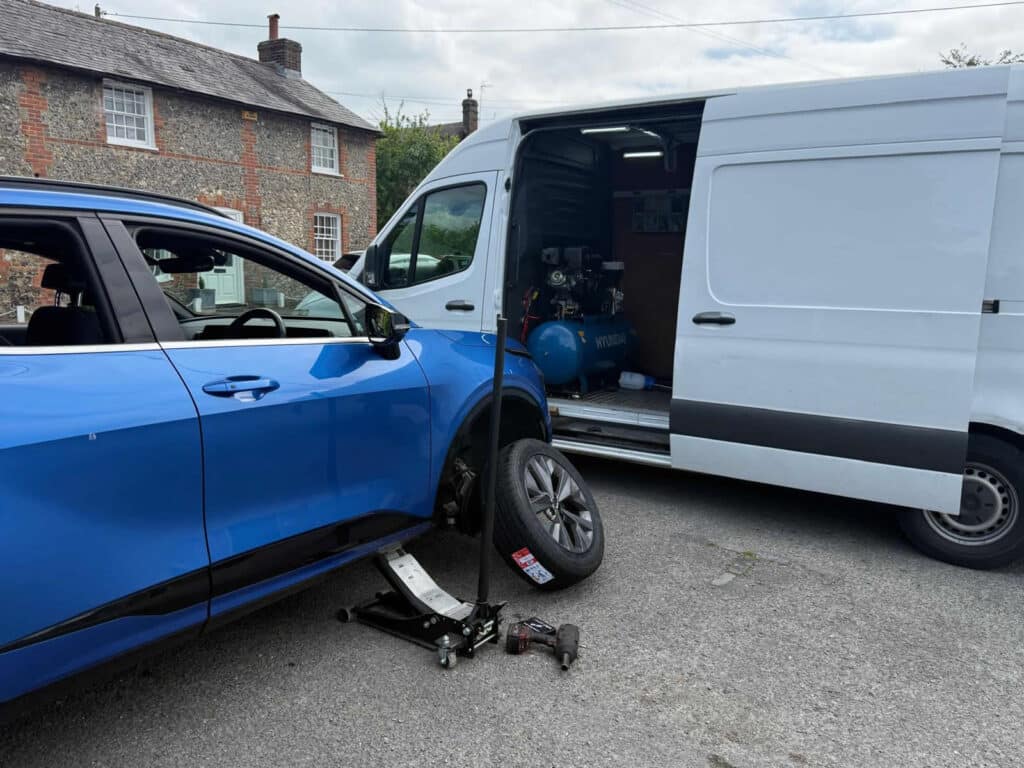
Mobile services bring the workshop to your doorstep, typically requiring 30-60 minutes per tyre. These services operate with fully equipped vans featuring modern tyre changing and balancing technology. Upon arrival, technicians:
- Conduct a thorough vehicle inspection
- Remove existing tyres
- Fit and balance new tyres
- Perform final pressure adjustments
Most mobile services aim to complete standard fittings within a 2-hour window. Moreover, technicians send SMS updates with precise arrival times, alongside real-time tracking options for customer convenience.
Emergency roadside service
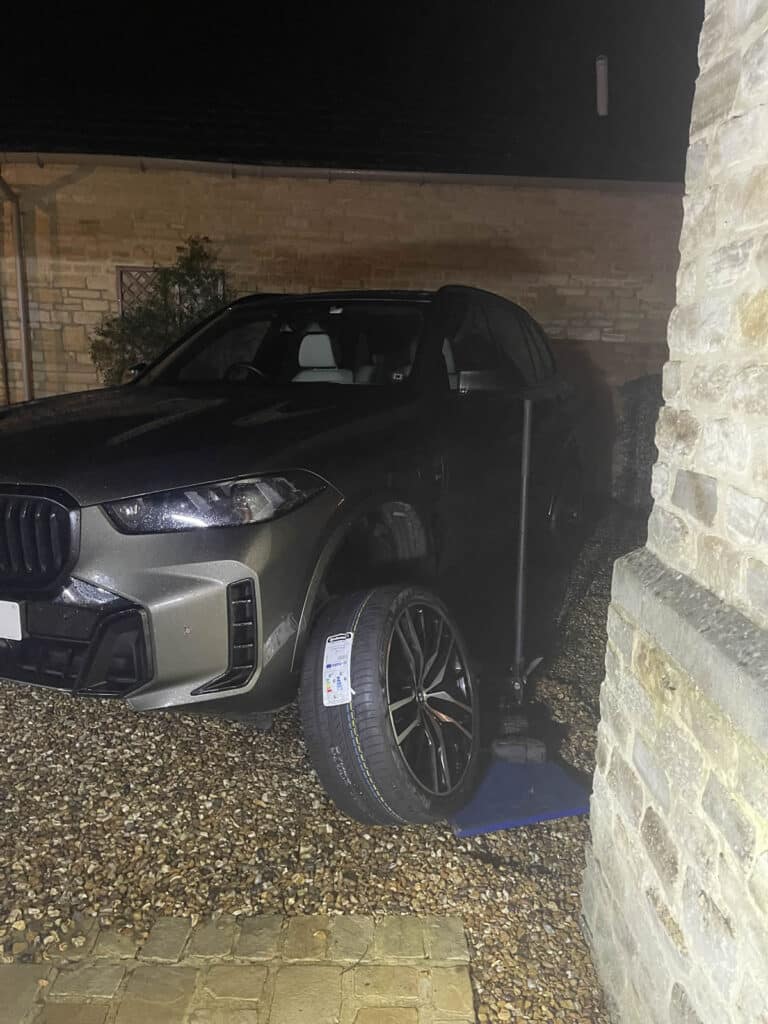
For unexpected tyre issues, emergency services offer swift assistance. Roadside technicians typically arrive within 40 minutes of your call. These specialists carry extensive tyre stocks and can perform complete replacements at the roadside, generally completing the job in 10-15 minutes.
Emergency services operate round-the-clock, providing essential support for various vehicles, ranging from cars to vans. Technicians arrive in specially equipped vans containing:
- Digital tyre pressure systems
- Air jacks
- Blast cages
- LED lighting for night-time repairs
The cost varies based on service type and timing. Standard mobile fitting typically starts at £100+, although prices fluctuate depending on your vehicle model and tyre specifications. Notably, mobile services often prove more economical since providers don’t need to cover workshop overhead costs.
For safety purposes, all fitting procedures, regardless of type, must follow strict guidelines. Technicians maintain proper distances during inflation, use appropriate safety equipment, and ensure correct wheel balancing for optimal performance.
Step-by-Step Fitting Timeline
Professional tyre fitting involves a systematic approach, ensuring safety and precision at every step. Understanding this process helps explain why tyre fitting takes approximately 30 minutes per tyre.
What Types of Car Tyres Are Fitted to My Car?
When it comes to car tyres, there’s no one-size-fits-all solution. The type of tyres fitted to your car can depend on your vehicle’s make and model, your driving habits, and even the weather you typically drive in. Understanding the different types can help you know what’s on your car now and what you might need when it’s time for a change.
Pre-fitting checks
Upon arrival, technicians conduct comprehensive inspections of your vehicle’s tyres. These assessments include:
- Examining tread patterns for uneven wear
- Checking wheel alignment and balance
- Inspecting rims for rust or damage
- Assessing valve conditions
Technicians place vehicles on hydraulic lifts, enabling thorough examination of each tyre. This method allows proper rotation of wheels, facilitating complete inspection of inner and outer sidewalls.
Main fitting procedure
Once initial checks conclude, the main fitting process begins. First, technicians release inflation pressure by removing valve inserts. Subsequently, they use specialised tyre spreaders to separate old tyres from wheel rims without causing damage.
The fitting sequence involves several crucial steps:
- Cleaning wheel rims and hubs thoroughly
- Applying fitting lubricant to tyre beads and rims
- Mounting new tyres using professional equipment
- Inflating tyres gradually with extension hoses
- Balancing wheels precisely
Technicians maintain strict safety protocols throughout inflation. They keep reasonable distances from tyres, utilising secured extension hoses with integrated pressure gauges. The fitting pressure never exceeds 150% of manufacturer recommendations or 4.0 bar.
After mounting, technicians verify correct tyre positioning. For directional tyres, arrows marked on sidewalls must align with rotation direction. Following this, wheel nuts undergo initial hand-tightening, followed by final torque adjustment using professional wrenches once vehicles return to ground level.
The entire process concludes with essential post-fitting checks. These include verifying proper tyre seating, confirming correct inflation pressures, and ensuring all wheel nuts achieve specified torque settings. Technicians also examine axle geometry, making necessary adjustments if previous tyres show signs of uneven wear.
After the Fitting
Proper aftercare ensures optimal performance and longevity of newly fitted tyres. Understanding essential maintenance practices helps extend tyre life significantly.
Essential post-fitting checks
In the initial miles after fitting, drive cautiously to allow tyres to settle properly. Immediately after installation, technicians perform comprehensive inspections, ensuring:
- Correct tyre pressure according to manufacturer specifications
- Proper wheel alignment and balance
- Secure wheel nuts and valve cores
- Even tread wear patterns
When to return for inspection
Schedule a follow-up inspection after approximately 50 miles of driving to verify wheel nut tightness. Regular maintenance visits should occur every 6,000 to 8,000 miles for tyre rotation. Consider immediate inspections upon noticing:
- Unusual vibrations whilst driving
- Vehicle pulling to one side
- Uneven tread wear patterns
- Visible damage or embedded debris
Maintenance tips for longer tyre life
Maintaining proper tyre pressure remains fundamental for longevity. Underinflated tyres lead to excessive heat buildup, whereas overinflation causes reduced contact with road surfaces.
Regular rotation between 6,000 to 8,000 miles helps distribute wear evenly across all tyres. In right-hand drive countries, right turns typically cause more wear on left tyres due to tighter turning angles.
For seasonal tyre storage, select cool, dry locations away from direct sunlight. Consider these essential practices:
- Conduct fortnightly visual inspections for cuts, bulges, or damage
- Clean tyres regularly using warm soapy water
- Maintain correct wheel alignment to prevent premature wear
- Avoid aggressive driving behaviours like rapid acceleration
- Check tyre pressure monthly, especially before long journeys
Proper maintenance extends beyond regular checks. Avoid overloading vehicles, as excessive weight generates additional heat, potentially leading to tyre failure. Similarly, mounting kerbs can damage sidewalls, increasing the risk of blowouts.
Our final say!
Proper tyre fitting requires attention to detail and professional expertise. Most importantly, understanding the time requirements helps plan effectively – whether choosing workshop fitting, mobile services, or emergency assistance.
Safety remains paramount throughout the fitting process. Therefore, we recommend scheduling regular maintenance checks and following post-fitting guidelines carefully. A complete tyre change might require up to two hours, though individual replacements typically take 30 minutes.
Additionally, proper tyre care extends beyond the fitting process. Regular pressure checks, rotation schedules, and careful driving habits ensure maximum tyre life and optimal performance. Above all, maintaining the recommended 3mm tread depth keeps you safe on the road.
Remember, quality tyres represent a significant investment in your vehicle’s safety and performance. Through proper planning, professional fitting, and consistent maintenance, your tyres will serve you reliably for many miles to come.
Are you looking for a mobile tyre fitter in Reading? Look no further, contact us for a quick quote.