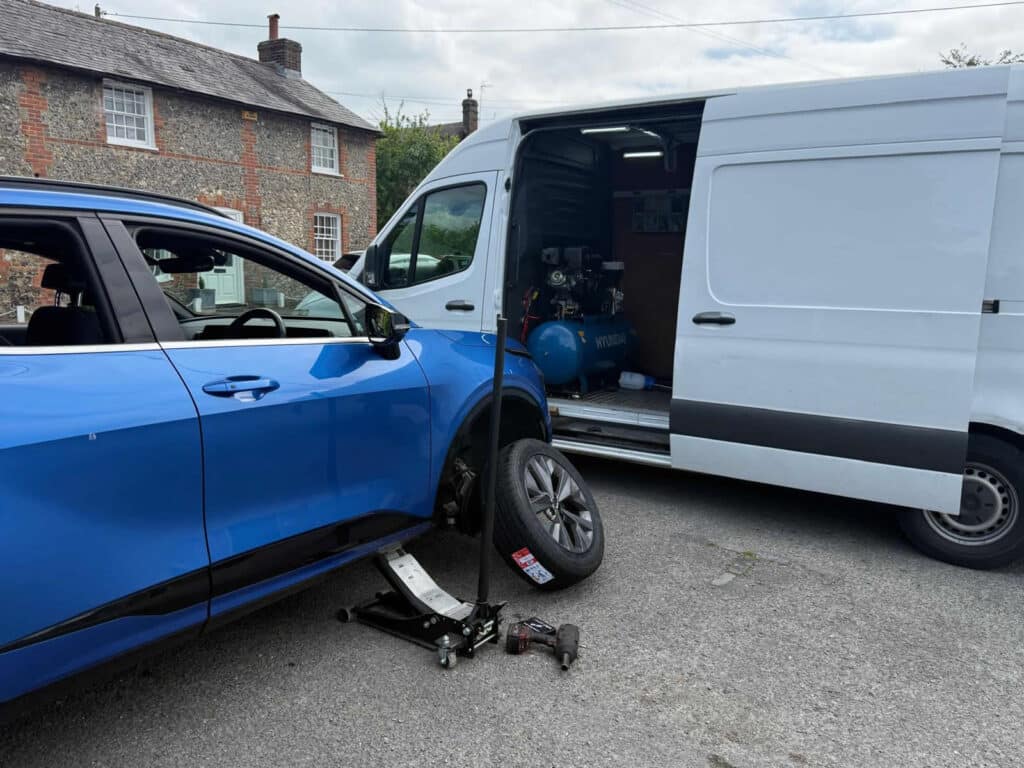
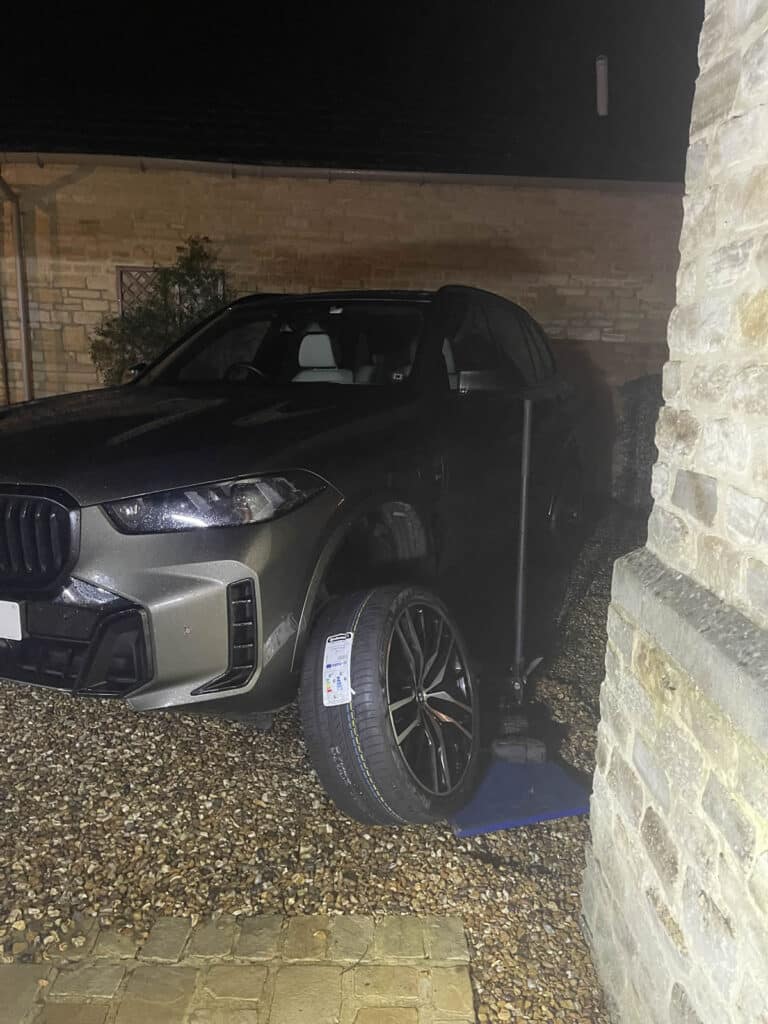
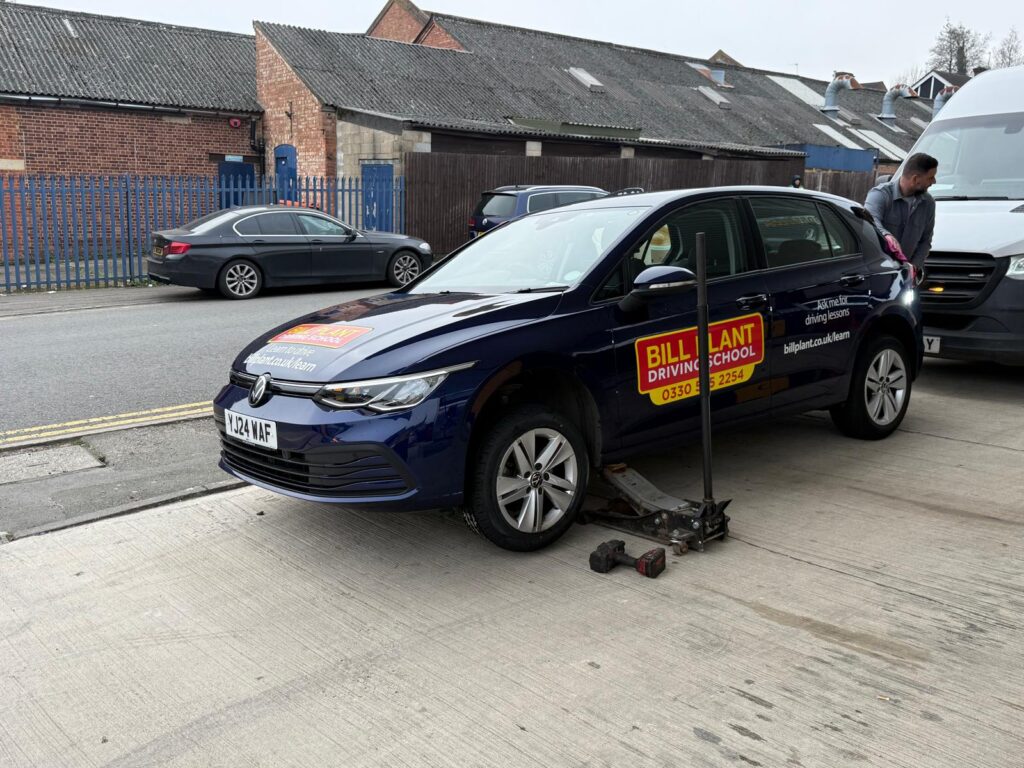
Your tyres are one of the most important safety features on your vehicle, yet they are also one of the most commonly overlooked. Whether you drive a car, a van or a light commercial vehicle, tyres are the only point of contact between your vehicle and the road. Their condition directly affects braking, steering, grip in wet weather and overall control.
Many tyre-related issues can be spotted early with a simple visual check, and understanding the legal requirements in the UK helps you stay safe while avoiding fines, penalty points and unexpected breakdowns. Regular tyre inspections don’t take long, but they can make a significant difference to how your vehicle performs and how safe it is to drive.
Why Tyre Condition Is So Important
Every time you pull away, brake, corner or drive in the rain, your tyres are working hard to maintain grip. As tyres wear, the rubber hardens and the tread grooves become shallower, reducing their ability to clear water from the road surface. This increases the risk of aquaplaning and significantly lengthens stopping distances, particularly in wet or cold conditions.
For vans and light commercial vehicles, tyre condition is even more critical. These vehicles often carry heavier loads, cover higher mileages and spend long hours on the road. A worn or damaged tyre on a commercial vehicle can affect stability, increase fuel consumption and raise the risk of a blowout under load.
UK Tyre Law Explained in Simple Terms
UK tyre law sets clear minimum standards for tyre safety. For cars and light vans, the legal minimum tread depth is 1.6mm across the central three-quarters of the tyre and around the entire circumference. Any tyre worn below this limit is illegal, regardless of how well it performs in dry conditions.
Although 1.6mm is the legal limit, it’s widely accepted that tyre performance starts to decline well before this point. Many drivers and professionals choose to replace tyres when tread reaches around 3mm, as this offers much better wet-weather grip and braking performance. Waiting until tyres reach the legal minimum may keep you within the law, but it often compromises safety.
Driving with illegal tyres can result in substantial fines and penalty points for each affected tyre. More importantly, if you’re involved in an accident, tyre condition may be examined closely and could affect insurance outcomes.
Checking Tread Depth at Home
One of the easiest ways to check tyre tread depth is the well-known 20p coin test. By placing a 20p coin into the main tread grooves, you can quickly gauge whether the tyre is close to the legal limit. If the outer rim of the coin is hidden, the tyre is generally above 1.6mm. If the rim is clearly visible, the tyre may be worn too far and should be checked professionally.
Most modern tyres also include tread wear indicators. These are small raised bars within the grooves that sit at 1.6mm. When the tread surface becomes level with these bars, the tyre has reached the legal limit and must be replaced.
It’s important to check tread depth across the full width of the tyre, not just in one spot. Uneven wear can mean part of the tyre is illegal even if the rest appears acceptable.
Inspecting for Damage and Wear
Tread depth alone doesn’t tell the full story. A tyre can have legal tread and still be unsafe. A careful visual inspection of the entire tyre surface and sidewalls can reveal early signs of damage.
Look closely for cracks in the rubber, cuts, splits or embedded objects such as nails or sharp stones. Pay particular attention to the sidewalls, as damage here is more serious and often means the tyre cannot be repaired. Bulges or blisters in the sidewall can indicate internal structural damage and should never be ignored.
Uneven wear patterns are another key sign to watch for. Excessive wear on one edge of the tyre can point to alignment issues, while wear in the centre of the tread may indicate over-inflation. Catching these signs early can prevent further damage and extend tyre life.
Checking Tyre Pressure Visually and Practically
While tyre pressure can’t be measured by sight alone, a tyre that looks noticeably flatter at the bottom or squashed against the road surface may be under-inflated. Driving on under-inflated tyres increases wear, reduces fuel efficiency and makes steering less precise.
Regular pressure checks using a proper gauge are essential, especially during colder months when air pressure naturally drops. Correct pressures are usually listed in your vehicle handbook or on a sticker inside the driver’s door frame. Vans and light commercial vehicles often have different pressures depending on load, so it’s important to follow the correct guidance.
How Often You Should Check Your Tyres
A visual tyre check should ideally be done at least once a month and before any long journey. Seasonal changes, potholes, kerb impacts and heavy loads can all accelerate tyre wear or cause damage without obvious warning.
For vehicles used daily for work, regular checks are even more important. A quick walk-around inspection can highlight problems before they lead to downtime, missed jobs or roadside callouts.
The Real-World Consequences of Neglecting Tyres
Driving on worn or damaged tyres doesn’t just increase the risk of accidents. It can also affect braking performance, steering response and overall driving confidence. In wet conditions, worn tyres dramatically increase stopping distances, which can be the difference between avoiding a collision and being involved in one.
From a legal and financial perspective, illegal tyres can result in fines of up to £2,500 per tyre and penalty points on your licence. For commercial drivers, this can also affect operator compliance and business reputation.
Free Tyre Checks with 24/7 Tyre Assist
If you’re unsure about the condition of your tyres, a professional inspection removes the guesswork. A trained technician can quickly assess tread depth, visible damage, wear patterns and pressures, ensuring your vehicle is safe and compliant.
Book your free car or van tyre check with our experienced technicians at 24/7 Tyre Assist and make sure your tyres are safe, legal and ready for the road.
Regular tyre checks take only a few minutes, but they play a vital role in keeping you safe, protecting your vehicle and keeping you on the right side of the law. Making tyre inspections part of your routine is one of the simplest and most effective ways to maintain your car, van or light commercial vehicle.